How to Clean and Maintain Polymer Terrazzo Flooring?
Date: 25 August, 2026
Views: 1
Source: DIMERY
Polymer terrazzo flooring is easier to maintain than a floor divided by grout lines, but “easy to clean” does not mean maintenance-free. The surface still receives grit, spills, rolling loads, cleaning chemicals and repeated foot traffic. A suitable resin floor maintenance plan removes contamination before it abrades the finish, uses chemistry compatible with the resin and topcoat, and identifies wear before it becomes a repair problem.
For routine care, remove loose dust and grit first, then damp-clean with a compatible cleaner at the manufacturer’s dilution. Recover the dirty solution, rinse when required and do not leave cleaner residue to dry on the floor. Clean spills promptly and use non-abrasive tools. Before introducing any new cleaner, degreaser, disinfectant, pad or machine, test it in an inconspicuous area and confirm that it does not change the color, gloss, texture or slip characteristics.
This guide applies to a fully cured polymer terrazzo resin flooring system. During the curing period, protect the surface from water, premature traffic, contamination and chemical exposure. Refer to the DIMERY polymer terrazzo flooring installation guide and the approved project documents before opening the floor to cleaning or service.
Resin Floor Maintenance Starts After the Polymer Terrazzo Floor Has Fully Cured
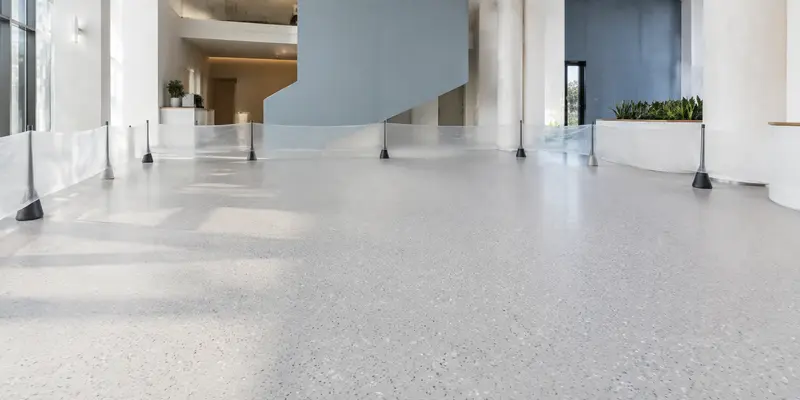
The first maintenance decision is when cleaning may begin. A surface can feel dry before the full resin system has developed its intended mechanical and chemical resistance. Wet cleaning too early, covering the floor with an impermeable mat or exposing it to concentrated chemicals can mark the finish or interfere with curing. The approved return-to-service time should be counted from the final relevant coat, not from the day the first primer was applied.
Before handover, record the installed system, final coat, batch numbers, completion time, curing conditions, approved cleaners and topcoat type. Give this record to the facility team. A maintenance contractor who sees only a “terrazzo-look floor” may otherwise treat it like cement terrazzo, natural stone, tile or vinyl. That can lead to unnecessary wax, incompatible stripper, excessive polishing or aggressive chemical cleaning.
Once fully cured, the current DIMERY product manual permits cleaning with a plastic brush or ambient-temperature pressure water, as well as compatible degreasers or cleaning agents. It specifically excludes cleaners containing phenol and requires a trial to confirm that the selected cleaner does not damage the coating. Pressure, nozzle distance and water-recovery method should still be approved for the installed system and surrounding details; controlled scrubbing and wet extraction are usually easier to manage indoors.
How to Clean Epoxy Floors Without Dulling Polymer Terrazzo Flooring
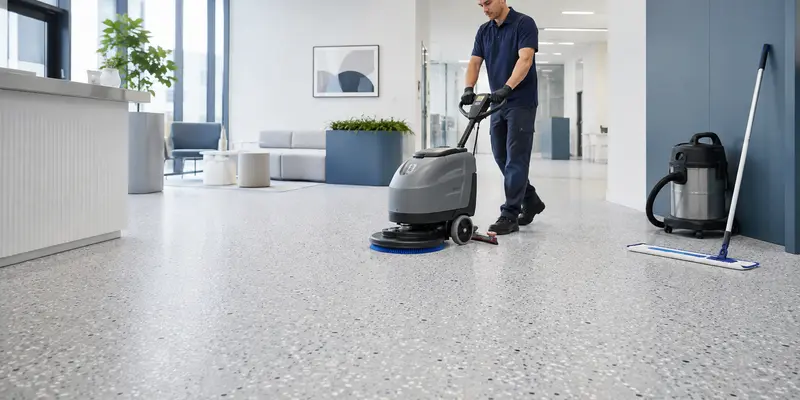
People searching how to clean epoxy floors often begin with the wet cleaner, but dry soil removal is the more important first step. Sand and hard particles behave like abrasives under shoes, carts and cleaning machines. Use a clean microfiber dust mop, soft-bristle broom or a vacuum fitted for hard floors. Keep worn metal attachments and hard wheels away from the surface. Entrances, lift lobbies, checkout lines and turning zones need more frequent passes than low-traffic rooms.
For wet cleaning, use a clean microfiber mop on smooth surfaces or a soft compatible brush on textured and slip-resistant zones. Dilute the approved cleaner exactly as directed; stronger is not automatically better. Work in manageable sections so the solution does not dry. Allow only the confirmed dwell time, agitate gently, then recover the dirty liquid with a mop, wet vacuum or automatic scrubber. Rinse with clean water when the cleaner instructions require it, and leave the surface free of residue.
Residue is a frequent reason a clean floor looks hazy or becomes slippery. If the finish appears dull immediately after cleaning, do not assume the resin has worn away. First check cleaner concentration, water quality, dirty mop heads, incomplete recovery and missed rinsing. Run a small clean-water test in one area and compare it after drying. If haze remains only in traffic lanes or has a different texture, inspect the topcoat rather than increasing chemical strength.
Epoxy Floor Maintenance for Spills, Stains and Scuff Marks
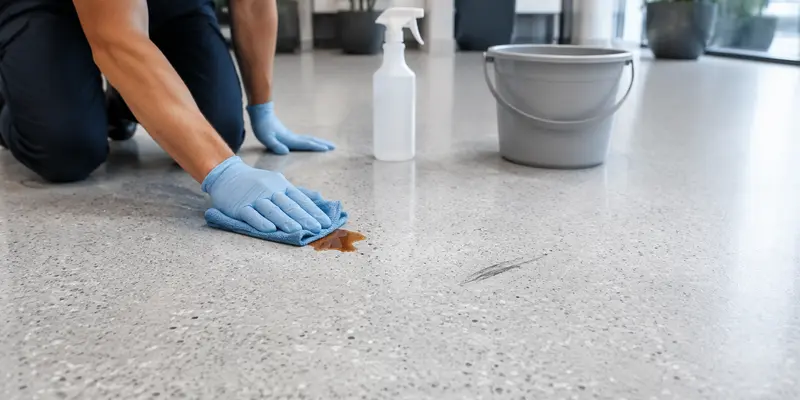
Effective epoxy floor maintenance treats a spill as a time-sensitive compatibility problem. Blot or contain liquid before spreading it, remove the bulk material, then use the mildest approved method that can remove the remainder. Replace contaminated mop water instead of moving it across the floor. For food, beverages and ordinary water-based soil, a compatible routine cleaner is normally the starting point. For oil or grease, use only a degreaser confirmed for the installed coating, then rinse and recover the solution completely.
Shoe and wheel scuffs should be tested first with a damp microfiber cloth and routine cleaner. If that is insufficient, use a non-abrasive pad or brush approved for the finish. Do not attack one dark mark with steel wool, a blade or an aggressive pad; the mark may disappear while the altered gloss leaves a larger visible patch. Where black marks recur at turning points, review wheel material, entrance control and traffic routing instead of repeatedly polishing the same zone.
Chemical spills require the site’s safety procedure and the floor system’s chemical-resistance information. Isolate the area, use the correct personal protective equipment, consult the chemical’s safety data and remove the spill promptly. “Chemical resistant” does not mean unlimited exposure to every substance at every concentration and temperature. If the floor softens, swells, discolors, blisters or remains tacky after cleaning, stop routine treatment and ask for a technical assessment.
High Traffic Resin Flooring Needs Zone-Based Cleaning Frequency
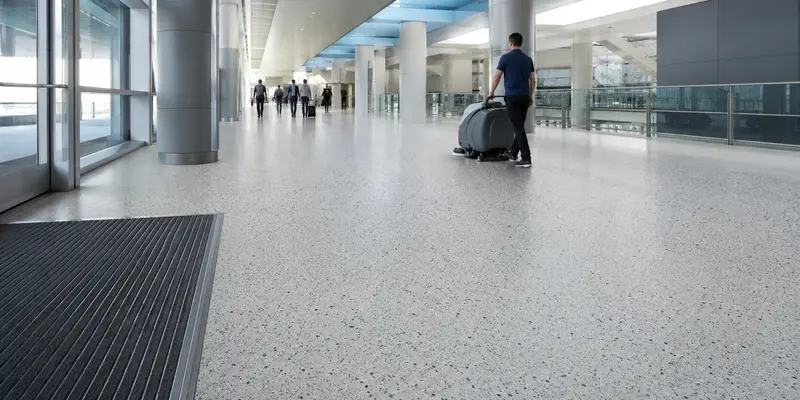
One universal frequency rarely works for high traffic resin flooring. A quiet office edge and a retail entrance may share the same finish but receive very different abrasive loads. Set frequencies by soil and traffic: entry points may need dust removal several times a day; main circulation routes may need daily wet cleaning; lightly used rooms may need it only when inspection shows soil. Weather, external sand, trolley traffic, production dust and food service can change the schedule immediately.
Entrance matting is part of the flooring system’s protection. Use sufficiently long, regularly cleaned mats with non-staining backing confirmed compatible with the resin. Replace saturated mats and clean underneath them. Add protective pads under movable furniture, keep wheels free of embedded grit and lift heavy objects instead of dragging them. These controls reduce micro-scratching more effectively than trying to restore gloss after damage has accumulated.
Texture also changes the method. A smooth polymer terrazzo surface can often be maintained with microfiber tools and a suitable scrubber pad. A pronounced slip-resistant texture holds soil in low points, so a flat mop may pass over the contamination. Use a soft brush that reaches the profile, provide adequate solution flow, recover the dirty water and rinse as required. Increasing chemical strength without matching the tool to the texture usually leaves embedded soil and more residue.
Epoxy Floor Care Products and Methods to Avoid
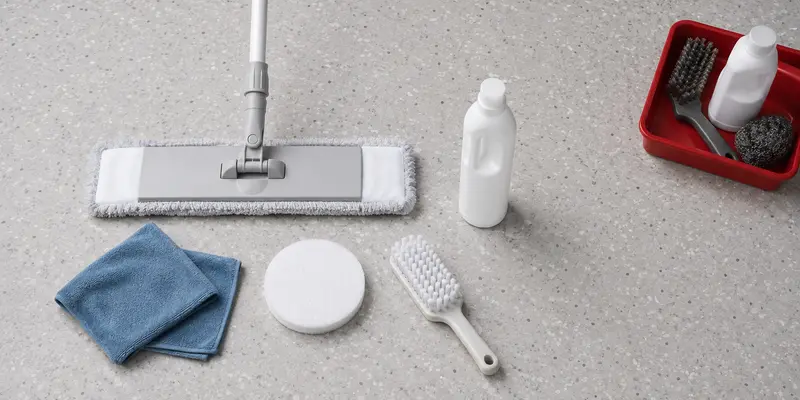
Good epoxy floor care is conservative: change one variable at a time and test it before scaling up. Do not use an unapproved cleaner simply because its label says “heavy duty,” “natural,” “stone safe” or “terrazzo cleaner.” Cement terrazzo, marble aggregate, epoxy terrazzo and polyurethane-topped resin floors do not necessarily accept the same chemistry.
| Do | Do not |
|---|---|
| Remove grit with clean, non-abrasive tools. | Use steel wool, wire brushes, abrasive powders or worn machine pads. |
| Use the approved cleaner at its specified dilution. | Use concentrated acid, strong alkali or an unknown solvent as a routine cleaner. |
| Test cleaner, pad and technique in a hidden area. | Assume a product is compatible because it worked on tile or cement terrazzo. |
| Recover dirty solution and rinse when required. | Let contaminated solution or cleaner residue dry on the surface. |
| Respond to spills promptly and follow site safety rules. | Leave oil, colorants or chemicals standing until the next scheduled clean. |
| Confirm any wax, polish, sealer or new topcoat with DIMERY. | Apply a generic wax, stripper or penetrating sealer without system approval. |
The supplied DIMERY manual also says not to use cleaners containing phenol. Steam, very hot water and aggressive pressure cleaning should not be introduced without written compatibility confirmation. Heat and pressure may affect surface appearance, edges, joints and adjacent details even if the main resin layer remains intact. A small test should reproduce the planned dilution, temperature, dwell time, pad, pressure and recovery method—not merely place one drop of cleaner on the floor.
Resin Floor Maintenance Schedule for Daily, Weekly and Periodic Care
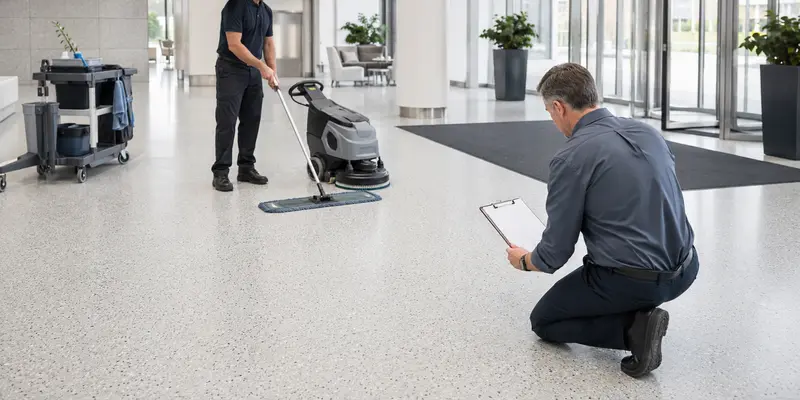
A written resin floor maintenance schedule makes results repeatable and helps teams notice change. The frequencies below are starting points; increase or reduce them according to traffic, contamination, texture, hygiene requirements and inspection results.
| Frequency | Maintenance action | Control point |
|---|---|---|
| Daily or each shift | Remove grit; clean spills; inspect entrances and wet-risk areas. | No hard debris, standing liquid or unsafe residue. |
| Weekly or as soil requires | Damp-clean smooth areas; brush-clean textured zones; recover solution; rinse if required. | Correct cleaner dilution, clean tools and complete recovery. |
| Monthly | Deep-clean traffic lanes and edges; inspect scuffs, haze, scratches, chips and local dulling. | Compare high-traffic and protected areas under consistent lighting. |
| Quarterly or site-defined | Review mats, wheels, furniture protection, machine pads and cleaner records; inspect joints and transitions. | Correct recurring soil sources and equipment-related wear. |
| Periodically by condition | Conduct professional deep cleaning, local repair or compatible topcoat renewal. | Approve a test area and restoration method before full application. |
Keep a simple log of cleaner name, dilution, machine or pad, date, affected zone and unusual result. If the floor changes after a new product or contractor is introduced, this record shortens diagnosis. It also separates cleaning issues from substrate movement, moisture, impact or installation defects.
Polymer Terrazzo Floor Coating Inspection and Topcoat Renewal
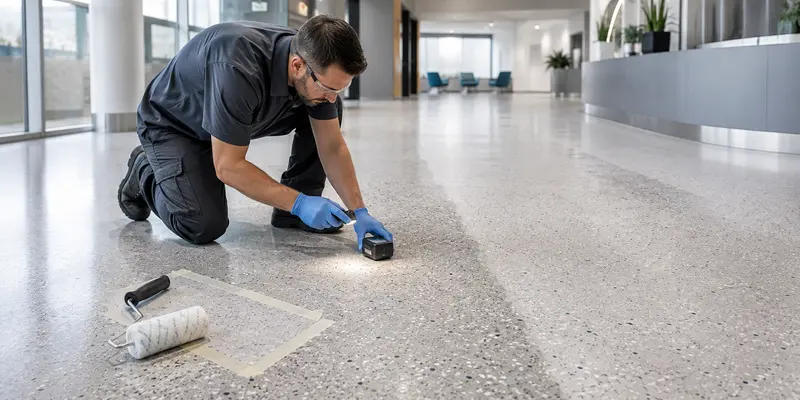
Routine cleaning cannot repair a damaged polymer terrazzo floor coating. During monthly inspection, look for a change in gloss or texture, exposed aggregate, deep scratches, chips, cracks, hollow sounds, lifted edges, soft spots and recurring whitening. Inspect thresholds, drains, columns, movement joints and traffic turns closely. Photograph the same reference locations so gradual wear can be compared rather than judged from memory.
Uniform dulling can result from fine abrasion, residue or a change in cleaning technique. Local peeling, blisters or hollow zones point to a different problem and should not be hidden under wax or another finish. Review resin floor peeling and delamination before selecting a repair. A new topcoat will only perform as well as the surface and bond below it.
Topcoat renewal should be based on condition, service demands and the installed system—not a universal calendar. The existing surface may need cleaning, controlled abrasion, dust removal, adhesion testing and a compatible recoat procedure. Confirm color and gloss on a test area, especially when repairing an aged floor. For heavy public use, compare maintenance conditions with DIMERY’s guidance for commercial spaces and public buildings.
Polymer Terrazzo Flooring FAQs
What is the safest routine cleaner for polymer terrazzo flooring?
Use a cleaner confirmed compatible with the installed resin and topcoat, normally beginning with a low-residue neutral cleaner at the labeled dilution. DIMERY requires any cleaner to be tested before broad use and prohibits cleaners containing phenol in the supplied product manual.
Can an automatic scrubber be used for epoxy floor maintenance?
Yes, when the machine, brush or pad, pressure, cleaner and recovery method are suitable for the surface. Use soft, non-abrasive tooling and test a small area. Textured floors usually clean better with a brush than a flat pad or mop.
Should polymer terrazzo flooring be waxed or sealed?
Do not apply a generic wax, penetrating sealer or floor finish automatically. Some terrazzo guides refer to cement-based floors or different epoxy systems. Confirm whether the installed DIMERY system has a protective topcoat and use only an approved renewal method.
How do you remove scuff marks without changing the gloss?
Start with a damp microfiber cloth and approved routine cleaner. Escalate to a compatible non-abrasive pad only after testing. If the mark remains or the gloss changes, stop and determine whether the surface is worn rather than dirty.
When should DIMERY technical support be contacted?
Ask for a review if the floor softens, blisters, peels, develops widespread dullness, shows recurring chemical staining or needs a new topcoat. Send photographs, the installed system, completion date, traffic and cleaning history, cleaner details and the affected area through DIMERY technical support.
Resin Floor Maintenance Summary
The most reliable resin floor maintenance plan is regular, low-abrasion and system-specific. Remove grit before it is ground into the finish, clean spills promptly, match tools to surface texture, use approved chemistry at the correct dilution, recover dirty solution and inspect high-traffic zones before wear becomes failure. Do not borrow waxing, sealing or chemical-cleaning rules from a different terrazzo type.
For a new project, review the DIMERY polymer terrazzo floor coating and establish the maintenance method before handover. For an existing floor, share the topcoat, traffic, contaminant and cleaning conditions with DIMERY to receive a system-compatible recommendation.
Related Articles
Clean Room Flooring Requirements: What Buyers Should Verify Before Ordering?
A buyer checklist for clean room flooring requirements: define the room, specify a complete hygienic resin system, compare options, request supplier documents and trial results, and use a procurement schedule.

How to Choose a Polymer Terrazzo Floor Coating Manufacturer?
A neutral, evidence-first buyer guide and supplier scorecard for evaluating a polymer terrazzo floor coating manufacturer across documents, samples, batch control, OEM, packaging, supply and after-sales support.
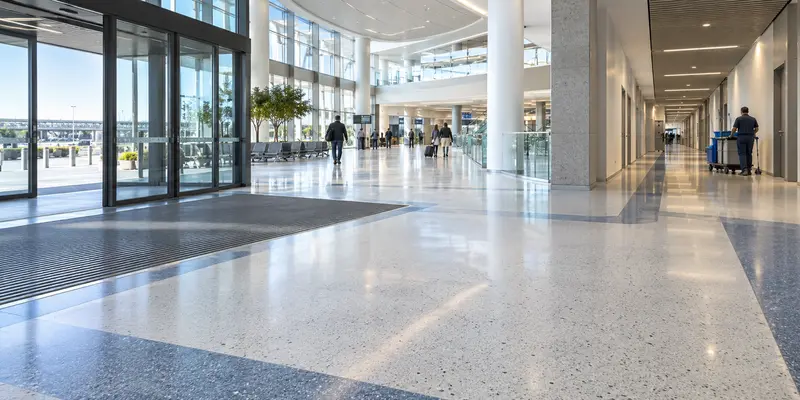
How to Specify Resin Flooring for High-Traffic Public Buildings?
A public building flooring specification maps each zone to measured performance: traffic, slip risk, cleaning, indoor-air and fire documents, substrate and system build-up, installation phasing, and a supplier submittal checklist for approval and handover.
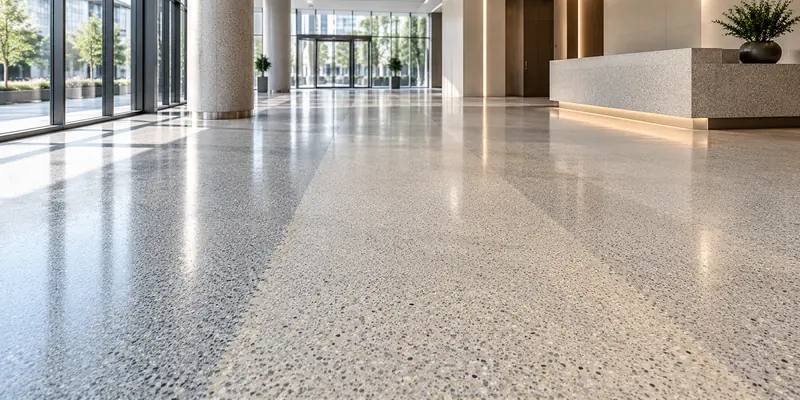
How to Control Color Variation in Large Resin Flooring Projects?
Color consistency on a large resin floor is controlled before, during, and after installation: approve a cured physical sample, allocate production batches by zone, standardize mixing and tools, check lighting, keep records, and retain repair material.
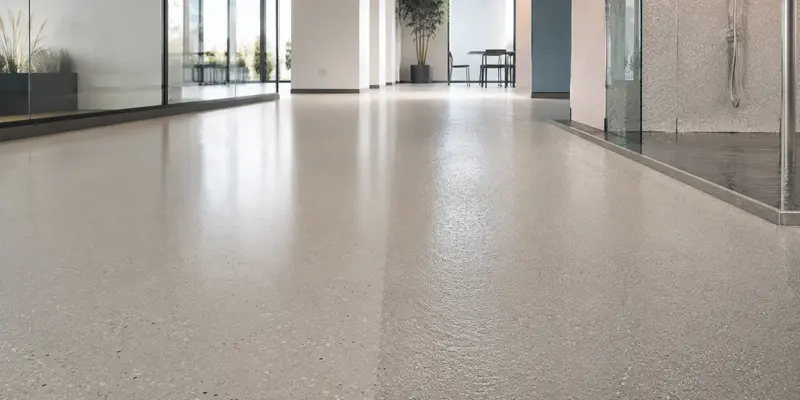
Slip-Resistant Epoxy Floor Coating: Anti-Slip or Easy to Clean?
The best resin floor is neither the roughest nor the smoothest. It achieves the project’s required traction under credible conditions and can be cleaned consistently with the facility’s real equipment, labor and chemistry.
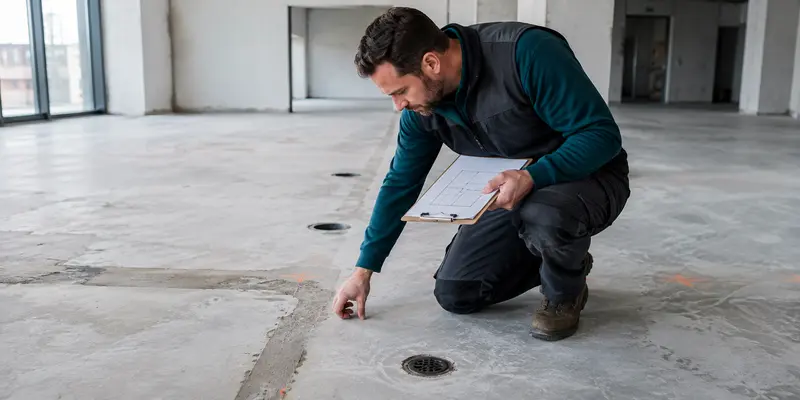
How to Prep Concrete for Epoxy Coating Before Resin Flooring?
A step-by-step technical guide to preparing a concrete substrate before epoxy or resin flooring: moisture, strength, surface profile, cracks, contamination, site conditions, and a go/repair/mitigate/stop decision checklist.