Construction Properties and Procedures of Polyurethane Mortar Floorings
Date: 1 March, 2023
Views: 208
Introduction
Polyurethane mortar flooring boasts numerous unique advantages and high-performance characteristics. It can be used in extreme industrial environments such as those requiring food hygiene standards, resistance to chemical corrosion, tolerance to high temperatures and humidity, as well as low temperatures and freezing conditions. Below, the editors of DIMERY will provide you with detailed information about the excellent construction properties and procedures of polyurethane mortar flooring.
I. Excellent Construction Performance
1. No primer is required for application. It cures quickly. At a construction temperature of 20°C, it's safe for pedestrians to use after 8 hours, and vehicles can use the surface after 48 hours.
2. A concrete base that isn't completely dry isn't required (water content <10%). The application can be done on freshly poured concrete that has been cured for 7 days.
3. There is virtually no odor during the construction process, which is beneficial to the health of workers and helps prevent odor pollution.
4. For the floor surface finish, either matte or glossy options are available. The glossy finish is more stain-resistant and easier to clean.
5. The construction can be carried out over a wide range of environmental temperatures, typically between 0°C and 35°C.
6. It has a longer operational time, and the material exhibits good flowability during application under specified conditions.
7. The floor has minimal color variation, making it easy to install.
8. The composite material can be stored in the cold winters of the north without the need for special insulation measures.
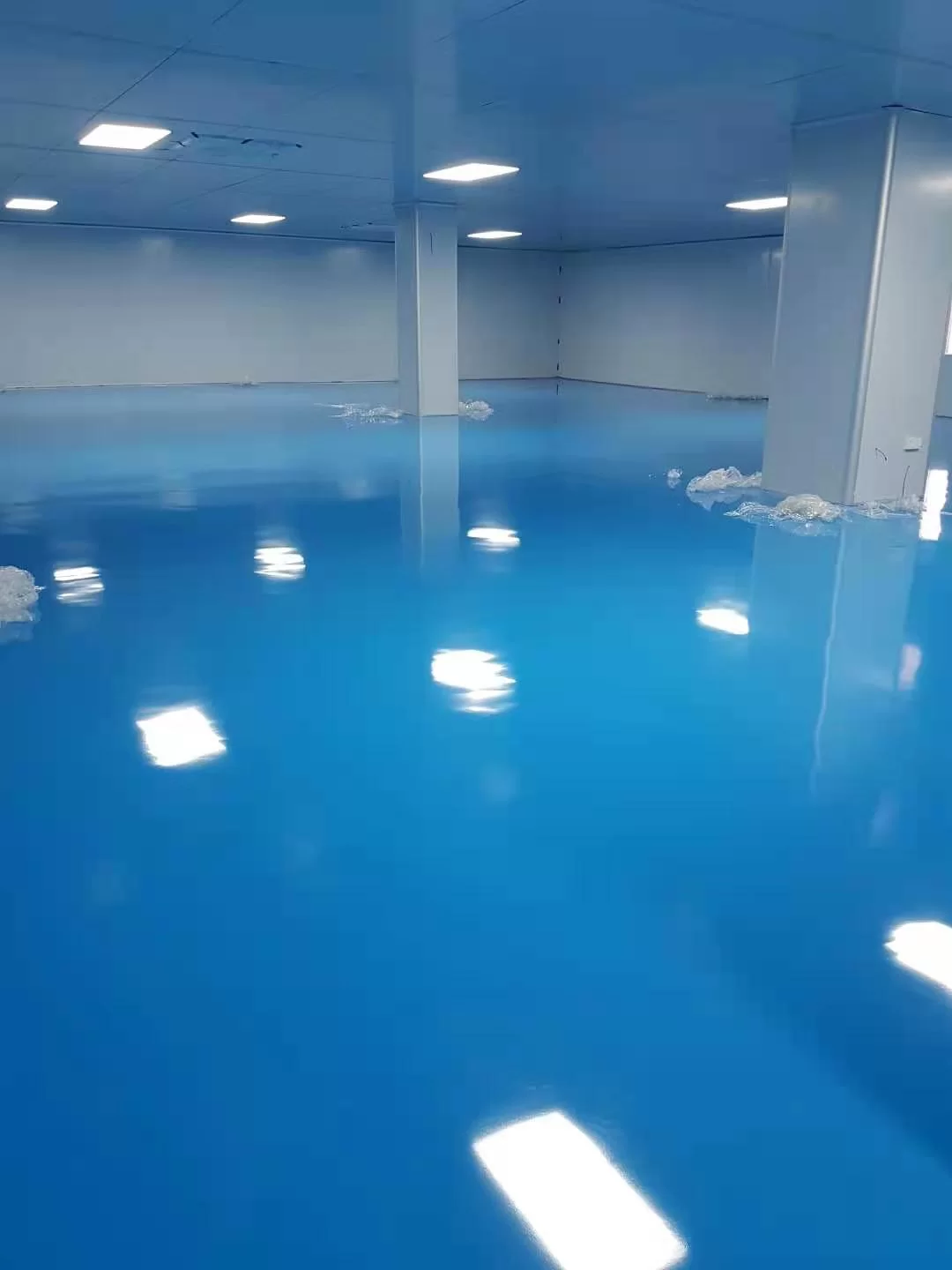
II. Introduction to Construction Steps
1. Primary treatment
First, clear all debris from the site, moving any items that may interfere with construction outside the work area. Ensure that the concrete base has a strength of at least 30 Mpa, and that the surface is smooth. The sand should be free of oil stains, hollow areas, or any loose or powdery substances, thereby ensuring the flatness of the base layer.
2. Repair of concrete surfaces
For surfaces with pits, grooves, or uneven surfaces, repairs are necessary. Polyurethane mortar should be used for leveling the surface.
3. Application of concrete-sealing primer
Clean the surface of the repaired concrete thoroughly. Apply 1-2 coats of polyurethane mortar as a sealing layer. Ensure proper ventilation and wait until the primer is completely dry before proceeding to the next step.
4. Floor leveling and repair
Level the surface of the area being worked on.
5. Polyurethane mortar topcoat application
After the topcoat is completely dry, check for any peeling and address it if necessary.
6. Two coats of polyurethane mortar topcoat
It can be used after it's completely dry. It's ready for use by vehicles after 2-3 days.
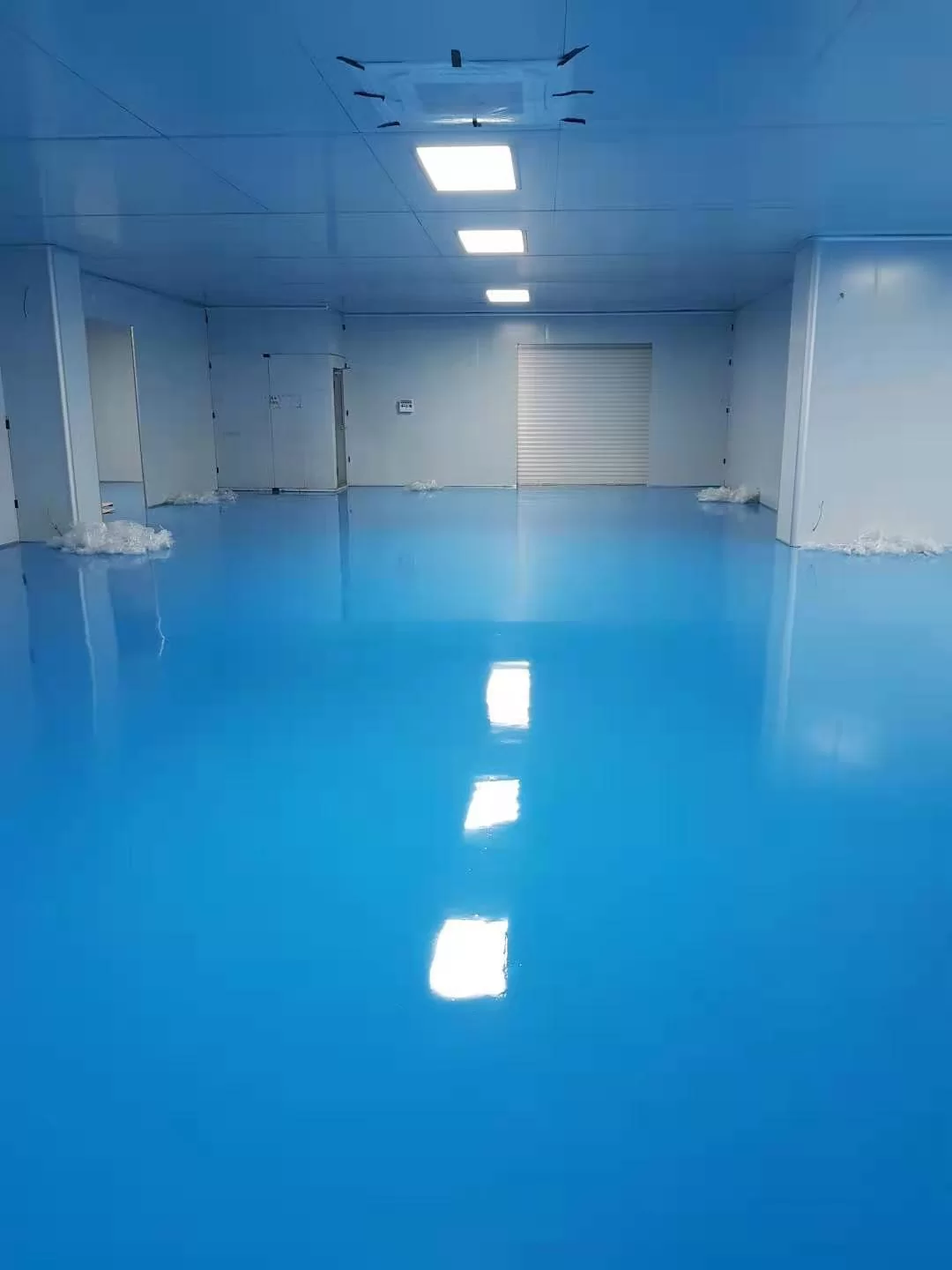
III. Key Points of Construction
1. Mix the polyurethane component A with the specially designated component B in the specified ratio. Stir thoroughly before use. Wear protective footwear during application. Apply the paint evenly—neither too thick nor too thin. Ensure no bare areas remain.
2. According to the requirements of the construction process, polyurethane components A and B must be mixed together in the specified proportions before use. After the primer has fully cured and dried, apply the coating evenly using a plastic or rubber spatula. The coating should be applied evenly, neither too thick nor too thin—about 15 mm is ideal. When applying the coating, consider the overall construction area, shape, and environment, as well as the order in which the coating will be applied. Wait 24–72 hours after the first coat has cured (until it's no longer sticky to the touch) before applying the second coat. The direction of the second coat must be perpendicular to that of the first coat.
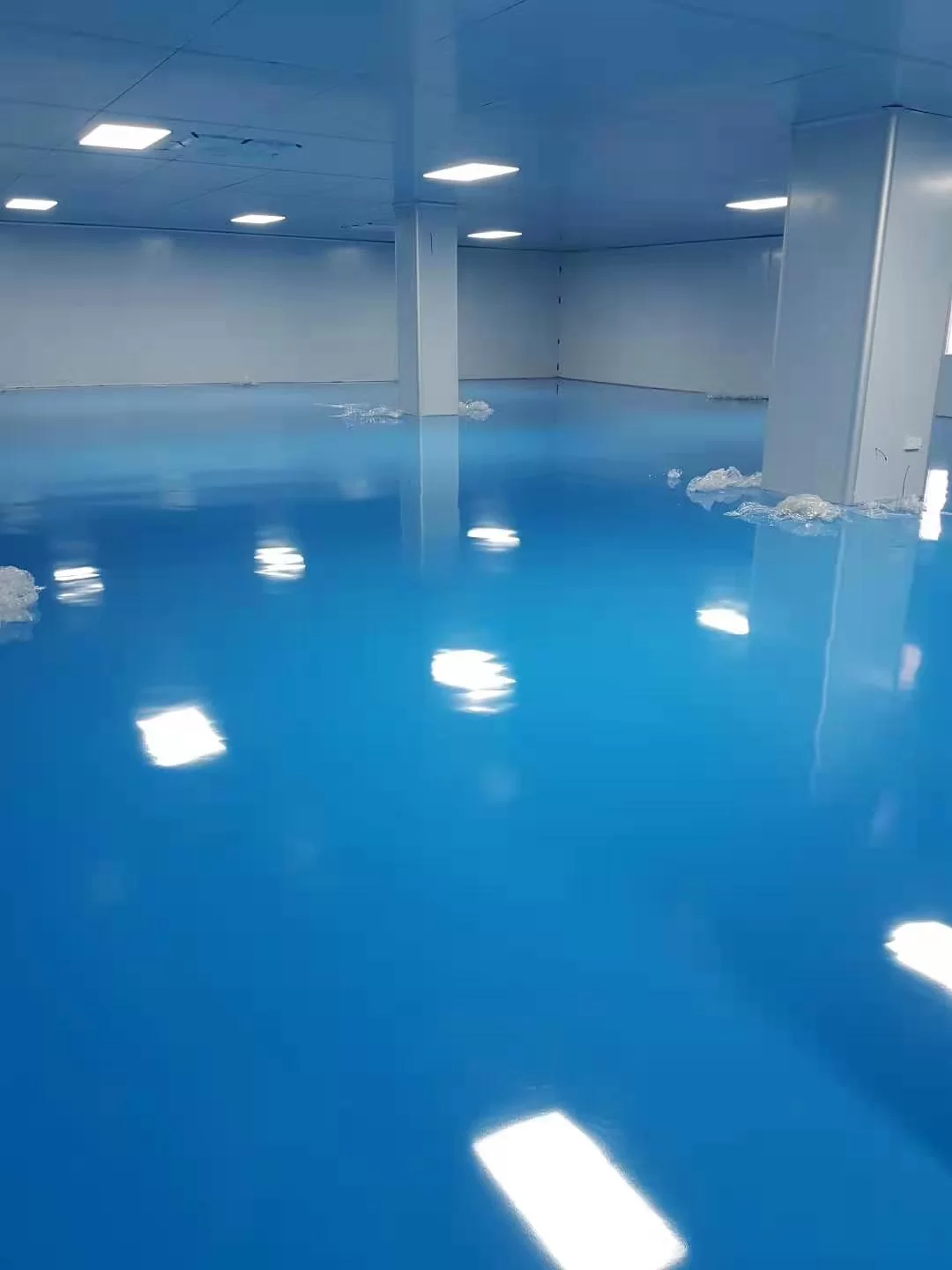
Conclusion
Polyurethane mortar flooring is a versatile flooring material that creates a self-leveling surface. It features a special textured surface and possesses thixotropic properties that prevent sagging. With proper application, this flooring can achieve excellent physical and mechanical properties, meeting the requirements of various industrial applications.